ChatGPT's Attempt at Spotify Wrapped: An Embarrassment Unveiled
OpenAI's quirky take on Spotify Wrapped stirred both intrigue and embarrassment. This article explores the implications and perceptions surrounding 'Your Year with ChatGPT'.
0 views
Share:

In the realm of artificial intelligence, the engagement of users allows for a rich tapestry of data to be woven into narratives that reflect individual experiences.
OpenAI's latest offering, dubbed 'Your Year with ChatGPT', is an ambitious attempt to transform the user’s interaction with the chatbot into something more tangible—a quirky, data-driven memoir that aspires to capture the essence of a year in conversation.
Yet, as with many innovations, the reception has been mixed, oscillating between amusement and embarrassment.
The Concept Behind 'Your Year with ChatGPT'
Designed to mimic the annual Spotify Wrapped feature, which has come to be an eagerly awaited tradition among music fans, ChatGPT's version attempts to distil a year's worth of dialogue into key insights and takeaways.
One might ponder what goes into creating such a summary. What does one find in the archives of interactions with an AI? The array of data is vast, yet the desire to condense it into a palatable format may sometimes overlook the nuances inherent in human conversation.
The metaphor of a memoir suggests something personal and crafted, but as Ralph Waldo Emerson once said, “The only person you are destined to become is the person you decide to be.” In this case, what identity does ‘Your Year with ChatGPT’ choose to illuminate?
The Mixed Reception
Responses from users have varied dramatically. For some, the experience is entertaining and a light-hearted reflection on their year. Others find it disconcerting that an AI, whose understanding of nuance and context is still developing, presumes to summarise their experiences in such a predictable format.
In a world increasingly reliant on data-driven decisions, the sentiment behind this reaction isn’t surprising. There appears to be an innate desire to retain agency over one’s personal narrative, a sentiment that a machine-generated summary might infringe upon.
As Socrates profoundly stated, “The unexamined life is not worth living.” By outsourcing memories and reflections to an AI, are we risking a certain detachment from ourselves? This introspection reveals a delicate balance between leveraging technology for convenience and maintaining the essence of our personal experiences.
Cultural Implications
The broader cultural implications of this shift cannot be overstated. As more segments of our lives become encapsulated within technology, from social media interactions to virtual conversations, we must consider what that means for our understanding of identity.
The fascination with summarisation prompts a deeper question: when do we allow technology to shape our narratives, and when do we push back against it? The unfiltered capture of personal exchanges carries a risk of oversimplification, and in pursuit of simplicity, we may forsake the richness of our stories.
Finding Balance in Technology
Balance is fundamental. By using technology as a tool rather than a crutch, we maintain a certain narrative control. Embracing such innovations can be beneficial, but we must critically assess their influence on how we interpret our lives.
In a world saturated with data, the true challenge lies in our engagement with it. As the philosopher Aristotle eloquently expressed, “Knowing yourself is the beginning of all wisdom.” The aim should not be to allow AI to summarise our experiences for us, but rather to stimulate insightful reflections that capture the fullness of our humanity.
'Your Year with ChatGPT' is a reminder of the potential and limitations of artificial intelligence within our daily lives.
By reflecting on our interactions rather than merely summarising them, we can ensure that the journey of understanding ourselves remains firmly in our hands.
As this technology continues to evolve, we should strive to maintain our agency within a narrative shaped by our voices and experiences.
Related Posts
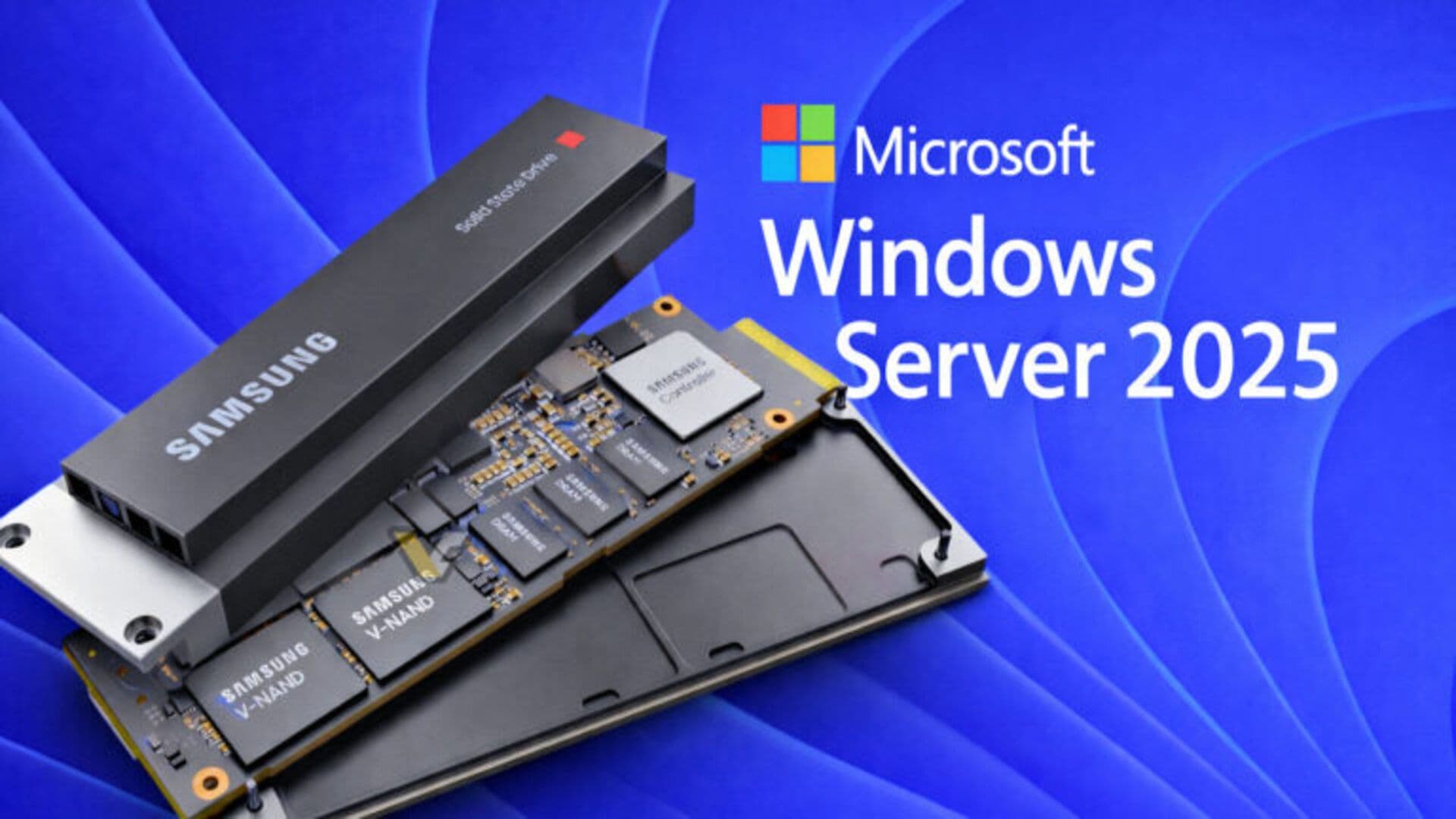
Exploring the Impact of Native NVMe Support in Windows Server 2025
The introduction of native NVMe support in Windows Server 2025 heralds a new era of speed and efficiency in data handling, drastically improving the performance landscape for servers. This article delves into the precise enhancements and their implications for businesses.

How to make money in 2026
