Exploring the Impact of Native NVMe Support in Windows Server 2025
The introduction of native NVMe support in Windows Server 2025 heralds a new era of speed and efficiency in data handling, drastically improving the performance landscape for servers. This article delves into the precise enhancements and their implications for businesses.
0 views
Share:
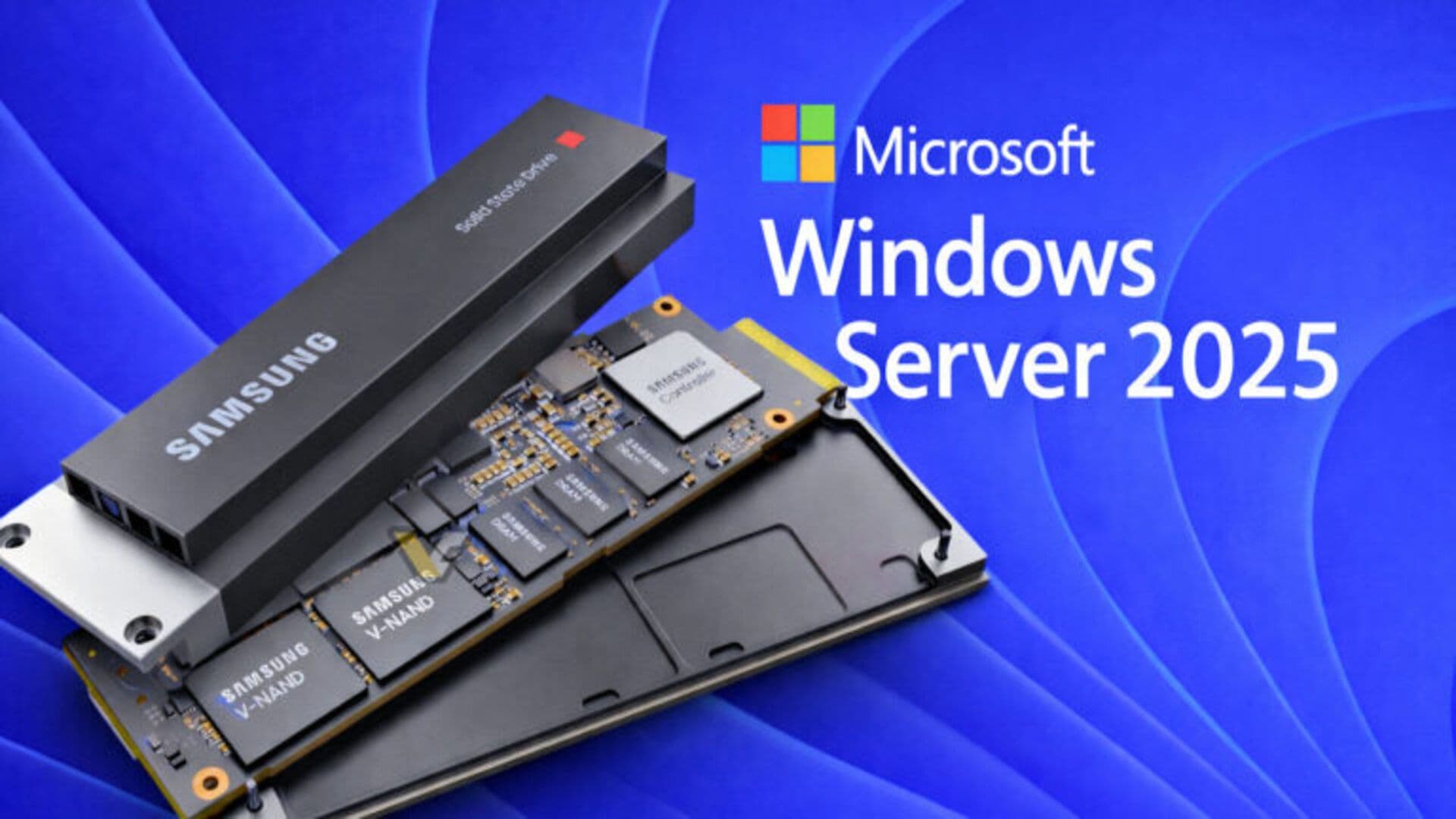
As technology continues to accelerate at a breath-taking pace, certain advancements redefine what is possible in the world of data storage and server management.
At the forefront of this revolution is Non-Volatile Memory Express (NVMe), a protocol that connects storage devices to the CPU via the PCIe bus, allowing for unprecedented data transfer speeds.
Historically, traditional storage setups, particularly those based on SCSI, were often bottlenecked by their own limitations.
The Transition to Windows Server 2025
Microsoft's Windows Server 2025 represents a turning point in the realms of enterprise computing.
With the introduction of native NVMe support, users can now experience dramatic improvements in performance and efficiency.
DiskSpd.exe tests show up to an astonishing 80% improvement in 4K random read Input/Output Operations Per Second (IOPS), a key metric that highlights the speed at which a system can access and process small chunks of data.
Why Speed Matters
In today's fast-paced digital landscape, speed is not merely an advantage; it is a necessity.
The ability to access data quickly can enhance productivity, enable real-time processing, and improve user experiences significantly.
As the renowned philosopher Albert Einstein once said, "Strive not to be a success, but rather to be of value." In the context of technology, being valuable often means providing speed and efficiency in data handling.
Practical Implications for Businesses
The enhanced capabilities of NVMe technology in Windows Server 2025 will empower businesses to optimise their operations.
In sectors where response time and data management are crucial, such as finance, healthcare, and e-commerce, the implications are significant.
This advancement can lead to quicker transaction processing, more efficient data retrieval, and an overall enhancement of service delivery.
Potential Challenges
However, while the transition to NVMe-based systems offers substantial benefits, it is not without its challenges.
For organizations, it necessitates a careful assessment of existing infrastructure and the potential costs involved in upgrading hardware.
As technology writer Charles Platt aptly stated, "The most important skill to develop in the electronic age is the ability to evaluate information critically."
Conclusion
Thus, as Windows Server 2025 integrates native NVMe support, the speed and efficiency it promises could redefine standards in data management.
For businesses willing to adapt and innovate, the rewards are monumental.
As we stand on the brink of this technological shift, it invites all of us to not only hope for progress but to actively engage with it.


